Managing Tariff Volatility: From Trade Policy to Profitability

Tariffs have re-emerged as a significant cost driver for global enterprises. Increasingly volatile and adjusted with limited notice, they materially reshape cost structures and threaten profitability. In this environment, proactive tariff management is no longer optional – it is a prerequisite for protecting competitiveness and market position.
From trade policy to bottom-line impact
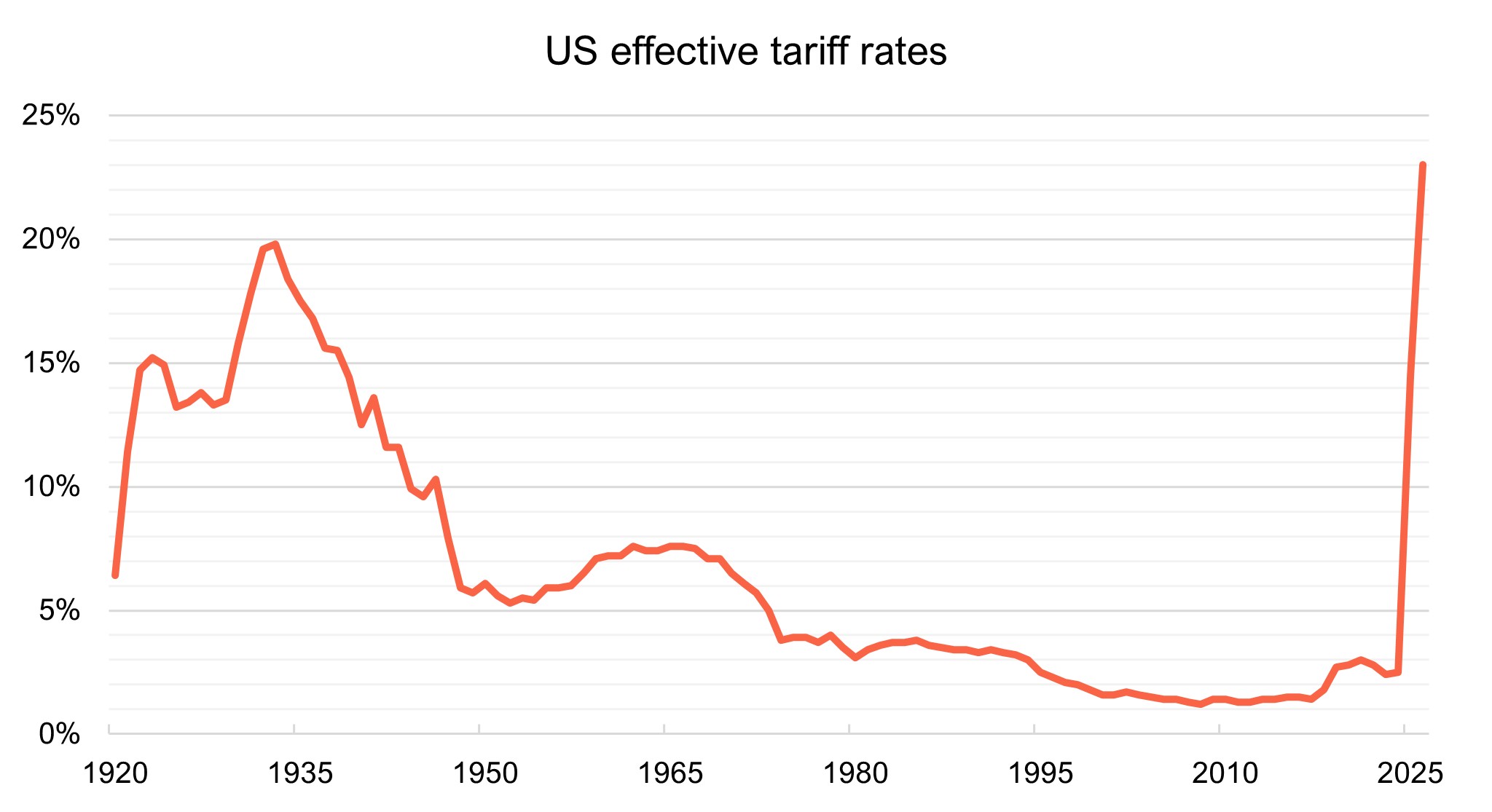
U.S. tariff rates have increased roughly tenfold over the past year. 82% of global companies report a direct impact on their supply chains, yet 78% are unable to pass the cost on to customers. The consequences are clear. Tariffs translate directly into margin pressure and require decisive action.

Limited readiness for tariff volatility
Despite the profitability risk, more than half of Swedish companies lack defined short-term mitigation actions, and 61% have no long-term strategy in place. Meanwhile, exemption regimes are continuously renegotiated, making tariff exposure a moving target. Yet, traditional compliance functions are designed for routine execution rather than dynamic risk management, often lacking the analytical capabilities, scenario tools, and system support needed to respond effectively.
A dual approach to managing tariffs
There is no universal playbook. The right response depends on the company’s footprint, value chain, and operating model. However, clear patterns emerge. Mitigation typically falls into two categories: optimizing customs treatment and goods flow to reduce immediate exposure or pursuing structural adjustments to product design or sourcing footprint to increase FTA qualification and address the root cause of the tariff exposure.
Designing for tariff resilience
Customers increasingly expect products to comply with free trade agreements from launch, making tariff neutrality a requirement for new order intake. Therefore, tariff exposure must be integrated into product design, sourcing strategies, and investment decisions from the beginning. If addressed only after commercial commitments are made, costs become structurally higher and operations less efficient.
Taking control of tariff exposure
Taking control requires a structured and proactive approach. The first step is understanding exposure: mapping product flows, tariff classifications, and origin rules across the footprint. With that foundation in place, tariff considerations can be incorporated into core business decisions. Companies that start now are better positioned to protect margins and stay competitive.
"You don't have to be great to start, but you have to start to be great"